

Der Opel Frontera Electric markiert Opels Rückkehr in das erschwingliche Segment der elektrischen SUVs. Basierend auf derselben Smart-Car-Plattform wie der Citroën ë-C3 Aircross bietet er praktischen Familienraum, zwei Batterieoptionen und wettbewerbsfähige Preise ab 125.900 PLN in Polen. Hier erfahren Sie alles, was Sie über das Laden dieses geräumigen Elektro-SUVs zu Hause wissen müssen.
Grundinformationen
Verfügbare Versionen (2025/2026):
- Edition (44 kWh) – Basisausstattung, 305 km Reichweite
- Edition Extended Range (54 kWh) – 408 km Reichweite
- GS (44 kWh) – verbesserte Ausstattung, 305 km Reichweite
- GS mit 11-kW-Ladegerät (44 kWh) – ermöglicht dreiphasiges Laden
Technische Daten:
- Batterie: 44 kWh oder 54 kWh Extended Range (LFP)
- WLTP-Reichweite: 305 km (44 kWh) / 408 km (54 kWh)
- Motor: 113 PS (83 kW), 120 Nm
- 0-100 km/h: 11 Sekunden
- Höchstgeschwindigkeit: 135 km/h
- Anschluss: CCS2 (Combo 2)
-
Kofferraum: 460 Liter (1.594 Liter bei umgeklappten Sitzen)

Laden:
- Wechselstrom (AC): 7,4 kW (Standard), 11 kW (Option)
- Gleichstrom (DC): 100 kW (20-80 % in 26 Minuten)
Bevor Sie ein Ladegerät kaufen – überprüfen Sie Ihre Steckdose!
Das ist die wichtigste Entscheidung! Ihre Ladegeschwindigkeit hängt vollständig von Ihrer häuslichen Elektroinstallation ab.
Option 1: Standard 230V-Steckdose (Schuko)
Was es ist:
Normale Haushaltssteckdose – wie für Ihren Fernseher oder Computer.

Ladeparameter:
- Leistung: 3,7 kW (16A, einphasig)
- Frontera 44 kWh: etwa 16 Stunden (0-100%)
- Frontera 54 kWh: etwa 20 Stunden (0-100%)
- Für wen: Nur sehr leichte Nutzung (unter 50 km täglich)
Wichtig: Etwa 20 % der Haushaltssteckdosen haben Installationsprobleme (keine Erdung, verpolt). Qualitätsladegeräte erkennen diese Probleme und verweigern das Laden – das schützt Ihr Auto und Ihr Zuhause.
Kompatible Ladegeräte:

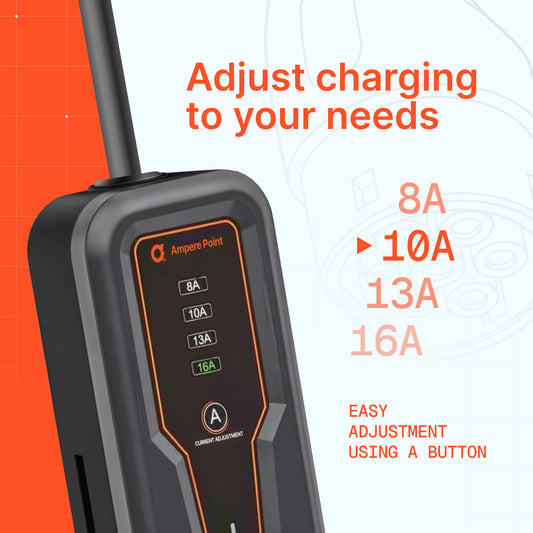
Tragbares Ladegerät B35 (16A, Typ 2, 3,7 kW)


Tragbares Ladegerät P35 (16A, Typ 2, 3,7 kW) 6 Meter

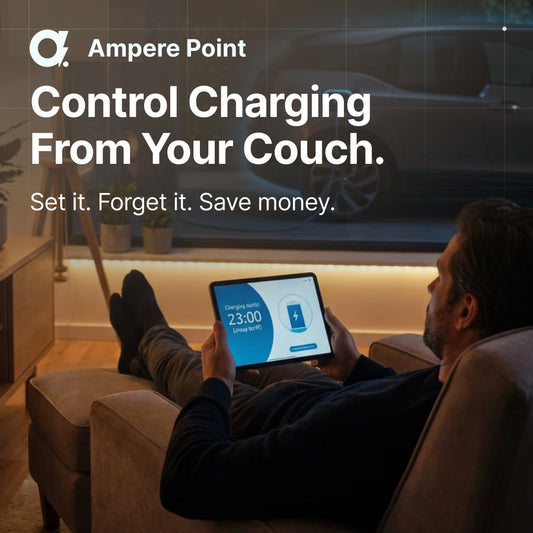
Tragbares Ladegerät Q37 (16A, Typ 2, 3,7 kW) WiFi, 7,5 Meter
Option 2: Industrielle CEE-Steckdose
Was es ist:
„Industrie“-Steckdose – rot oder blau, viel größer als eine Standardsteckdose. Erfordert professionelle Installation.
Zwei Typen:
CEE 16A (dreiphasig, „kleine Leistung“), max. 11 kW:
- Frontera 44 kWh: etwa 5 Stunden (0-100%)
- Frontera 54 kWh: etwa 6,5 Stunden (0-100%)
- Erfordert: Optionales 11-kW-Ladegerät im Auto (kostenpflichtiges Upgrade)
CEE 32A (einphasig, rot, „große Leistung“), max. 7,4 für den Basis-Frontera, 11 kW für die aufgerüstete Version:
- Frontera 44 kWh: etwa 8 Stunden (0-100%)
- Frontera 54 kWh: ca. 10 Stunden (0-100 %)
- Funktioniert mit Standard 7,4 kW Frontera

Kompatible Ladegeräte:
- Für CEE 16A (11 kW): Q11 oder P11
- Für CEE 32A (7,4 kW): Q74 oder P72

Tragbares Ladegerät Q11 PRO (16A, Typ 2, 11kW) + 2x Adapter


Tragbares Ladegerät P11 (16A, Typ 2, 11kW)

Tragbares Ladegerät Q74 (32A, Typ 2, 7,4 kW) mobile App


Tragbares Ladegerät P72 (32A, Typ 2, 7,2 kW)
Unsicher, was Sie haben?
- Machen Sie ein Foto von Ihrem Sicherungskasten und den Steckdosen
- Fragen Sie einen qualifizierten Elektriker
Frontera Electric Ladespezifikation
AC-Ladung (Zuhause/Öffentlich)
Der Frontera Electric bietet zwei Onboard-Ladegeräte zur Auswahl:
Standard: 7,4 kW (einphasig)
- 44 kWh Batterie: ca. 7,75 Stunden (0-100 %)
- 54 kWh Batterie: ca. 9,5 Stunden (0-100 %)
- Steckdose: CEE32 einphasig (rot)
- Im Grundpreis enthalten
Optional: 11 kW (Drehstrom)
-
- 44 kWh Batterie: ca. 5 Stunden (0-100 %)
- 54 kWh Batterie: ca. 6,5 Stunden (0-100 %)
- Steckdose: CEE16 Drehstrom
- Erfordert dreiphasige Heiminstallation
Welche Option sollten Sie wählen?
- Nur einphasig vorhanden: Standard 7,4 kW ist ausreichend
- Dreiphasige Installation vorhanden: Upgrade auf 11 kW lohnt sich absolut für 1.500 PLN – Sie sparen 2,5–3 Stunden pro Ladevorgang
DC-Ladung (Schnellladestationen)
Parameter:
- Maximale Leistung: 100 kW
- 20-80 %: 26 Minuten (beide Batteriekapazitäten)
- 10-80 %: ca. 30-32 Minuten
- Anschluss: CCS2 (Combo 2)
Ladekurve:
- 10-50 %: 90-100 kW (schnellste Phase)
- 50-80 %: 70-85 kW
- 80-100 %: 10-30 kW (sehr langsam – vermeiden Sie das Laden über 80 %)
Welches Ampere Point Ladegerät sollten Sie wählen?
Ihre Wahl hängt von zwei Faktoren ab:
- Welches Onboard-Ladegerät Ihr Auto hat (7,4 kW oder 11 kW)
- Ihre häusliche Elektroinstallation (230 V, CEE einphasig oder CEE dreiphasig)
Szenario 1: Standard 7,4 kW + CEE32 Steckdose
Ihr Auto: Standard 7,4 kW Ladegerät (kein Upgrade bezahlt)
Ihr Zuhause: CEE32 einphasige Steckdose (rot)
Empfehlung:
Q74 (7,4 kW) - Angebot ansehen
- Leistung: 7,4 kW – perfekte Abstimmung für Ihr Auto
- Laden 44 kWh: ca. 8 Stunden
- Laden 54 kWh: ca. 10 Stunden
- WiFi-App: Ladezeiten planen, Statistiken verfolgen
- Tragbar: für Reisen mitnehmen
- Robuste Bauweise: IP66/IK10 zertifiziert
ODER P72 (7,4 kW) - Angebot ansehen
- Leistung: 7,4 kW
- Preiswerter ohne WiFi
- 2,4" LCD-Display
- Timerfunktion, Stromregelung
Szenario 2: Optional 11 kW + Drehstrominstallation
Ihr Auto: Optionales 11 kW Ladegerät (kostenpflichtiges Upgrade im Opel Frontera)
Ihr Zuhause: CEE16 Drehstromsteckdose
Empfehlung:
Q11 (11 kW) – Angebot ansehen
- Leistung: 11 kW – volle Fahrzeugleistung nutzen
- Laden von 44 kWh: ca. 5 Stunden
- Laden von 54 kWh: ca. 6,5 Stunden
- WiFi-App: komplette Lade-Steuerung
- Strom während des Ladevorgangs in 1A-Schritten anpassen
- Energie-Statistiken und Kostenverfolgung
- Tragbar für Reisen
Q11 mit Adaptern - Universelle Option
- Inklusive Adapter für 230V-Steckdose
- Kann je nach Quelle mit 3,7 kW oder 11 kW laden
- Maximale Flexibilität
- Am besten, wenn Sie sich bei der Installation unsicher sind
ODER P11 (11 kW) – Angebot ansehen
- Leistung: 11 kW
- Preiswerter ohne WiFi
- 2,4" LCD-Display
- Zuverlässiger, unkomplizierter Betrieb
Unterschied Q11 vs. P11:
Beide tragbar, gleiche Ladegeschwindigkeit. Q11 bietet WiFi-App und smarte Funktionen. P11 ist einfacher und günstiger.
Szenario 3: Nur 230V-Steckdose
Ihr Zuhause: Nur Standard-Haushaltssteckdose
Empfehlung:
Q37 (3,7 kW) – Angebot ansehen
- Laden von 44 kWh: ca. 16 Stunden
- Laden von 54 kWh: ca. 20 Stunden
- Nur für sehr leichte Nutzung geeignet (unter 50 km täglich)
Realitätscheck: Dies ist nur Notfallladung für den Frontera. Die großen Batterien benötigen für den praktischen Alltag wirklich eine CEE-Installation.
ODER P35 (3,7 kW) – Angebot ansehen
- Preiswerter
- LCD-Display
Ladezeiten – Vergleichstabelle
| Batterie | Leistung | Ladegerät | 0-100% | 20-80% | Geeignet für |
|---|---|---|---|---|---|
| 44 kWh | 3,7 kW | Q37/P35/B35 | ~16 Std | ~10 Std | Nur Notfall |
| 44 kWh | 7,4 kW | Q74/P72 | ~8 Std | ~5 Std | Tägliche Nutzung bis zu 150 km |
| 44 kWh | 11 kW | Q11/P11 | ~5 Std | ~3 Std | Tägliche Nutzung bis zu 200 km |
| 54 kWh | 11 kW | Q11/P11 | ~6,5 Std | ~4 Std | Tägliche Nutzung bis zu 250 km |
| Beliebig | 100 kW DC | Station | ~40 Min | ~26 Min | Roadtrips |
FAQ – Häufige Fragen
1. Kann ich den Frontera an einer normalen 230V-Steckdose laden?
Technisch ja, aber sehr langsam (16-20 Stunden). Nur bei extrem leichter Nutzung praktisch. Wir empfehlen dringend, mindestens CEE32 für 7,4 kW Laden zu installieren.
2. Brauche ich eine Dreiphaseninstallation?
Hängt von Ihrer Nutzung ab:
- Unter 150 km täglich: Einphasige 7,4 kW ausreichend
- 150-250 km täglich: Dreiphasige 11 kW sehr zu empfehlen
- Über 250 km täglich: Sie benötigen sowieso regelmäßig DC-Schnellladung
3. Lohnt sich das 11-kW-Upgrade im Auto?
Ja, wenn Sie zu Hause Drehstrom haben. Sie sparen 2,5-3 Stunden pro Ladevorgang. Über die Lebensdauer des Autos sind das hunderte Stunden Zeitersparnis. Hervorragendes Preis-Leistungs-Verhältnis.
4. Baut die Batterie durch schnelles DC-Laden ab?
LFP-Batterien im Frontera sind sehr widerstandsfähig gegen Verschleiß. Regelmäßiges schnelles DC-Laden schadet der Batterie kaum. Nach 200.000 km ist mit 8-12 % Degradation zu rechnen, unabhängig vom Ladeverhalten.
5. Kann ich an jeder DC-Station in Europa laden?
Ja! Der Frontera hat den Standard CCS2-Anschluss – funktioniert an fast jeder öffentlichen DC-Station in Europa.
6. Was ist die reale Winterreichweite?
Im Winter mit 30-35 % Reichweitenverlust rechnen:
- 44 kWh Batterie: 190-220 km reale Winterreichweite
- 54 kWh Batterie: 250-280 km reale Winterreichweite
Keine Wärmepumpe bedeutet, dass die Innenraumheizung viel Energie verbraucht. Vorkonditionierung während des Ladevorgangs hilft.
Zusammenfassung
Der Opel Frontera Electric ist ein praktischer Familien-SUV mit:
- Zwei Batterieoptionen: 305 km oder 408 km WLTP-Reichweite
- Geräumiger Innenraum: 460-1.594 Liter Ladevolumen
- Schnelles DC-Laden: 100 kW (26 Minuten bis 80 %)
- Erschwingliche Preise: ab 125.900 PLN
Schlüssel zum Erfolg: Richtiges Heimlade-Setup. Für den regelmäßigen Gebrauch:
- Installieren Sie mindestens eine CEE32-Steckdose für 7,4 kW Laden
- Noch besser: Installieren Sie CEE16 Drehstrom für 11 kW
- Zahlen Sie 1.500 PLN für das 11 kW Auto-Upgrade, wenn Sie Drehstrom haben
- Wählen Sie das passende Ampere Point Ladegerät für Ihre Installation
Unsicher, was Sie wählen sollen? Kontaktieren Sie uns – wir helfen Ihnen, das richtige Ladegerät für Ihre Bedürfnisse auszuwählen.
Quellen
(1) wyborkierowcow.pl - „Opel Frontera Electric Edition - technische Daten“
(2) samochody.pl - „Rückkehr des Kult-SUV in moderner, elektrischer Ausführung“
(3) Elektrowoz.pl - „Opel Frontera Electric und PREIS ab 129.900 Złoty“
(4) Stellantis Media - „Opel Frontera Electric: jetzt mit 100 Kilometern mehr Reichweite“
(5) mmcars.pl - „Neuer SUV Opel Frontera 2025“
(6) Francuskie.pl - „Neuer Opel Frontera Electric mit erhöhter Reichweite“
(7) Green Cars Compare - „Opel Frontera Electric 44 kWh 2025 Lade-Rechner“
(8) EV Database - „Opel Frontera Electric 44 kWh Preis und Spezifikationen“
(9) EVSpecsHub - „Opel Frontera Electric 44 kWh vollständige Spezifikationen“
(10) MotoMagazyn - „Neuer Opel Frontera 2024 vorgestellt“
Unsere Ladegeräte ansehen
Für Standard 7,4 kW Version:
Für optionale 11 kW Version:
Für 230V-Steckdose:


